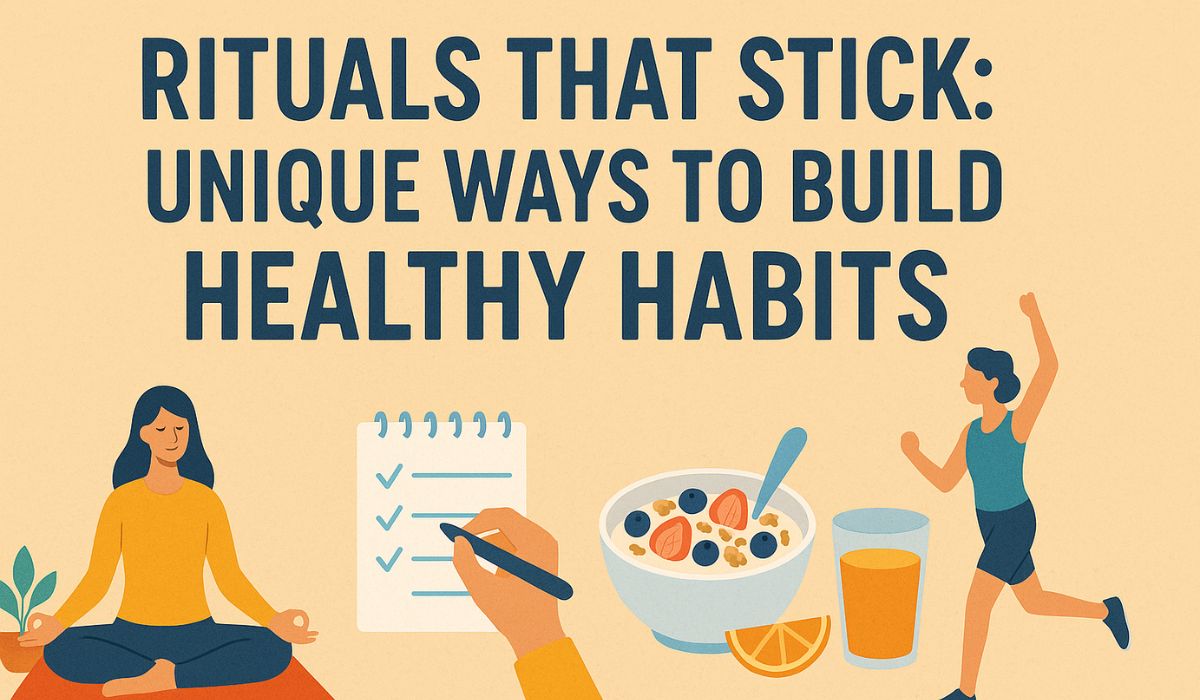
Ever wonder why some people seem to glide effortlessly through life with routines that just stick, while others struggle to hold onto even the simplest habits?
The secret isn’t willpower—it’s about how you design your daily rituals.
This is where Healthy Habits & Routine Building comes into play.
It’s not just about doing something repeatedly; it’s about creating systems that make sticking to good behaviors almost automatic.
“Success doesn’t come from what you do occasionally, it comes from what you do consistently,” says Marie Forleo.
And consistency, surprisingly, doesn’t need to feel like a chore.
Start Small, Think Tiny
When building habits, the first trap most people fall into is thinking big.
You want to meditate for an hour every morning or run 10 miles a day.
But here’s the truth: tiny actions compound into huge results over time.
Start with something tiny. Brush your teeth mindfully.
Drink one glass of water right after waking up.
Five minutes of journaling is enough to set your mind in the right place.
These small, intentional actions form the foundation of Healthy Habits.
“Small daily improvements over time lead to stunning results,” says James Clear, author of Atomic Habits.
The key? Make it so small that it feels impossible to fail.
Success, even in the tiniest form, creates momentum.
Make Your Rituals Enjoyable
Here’s a simple truth: we stick with things we enjoy. If you hate running, maybe morning jogs aren’t your ritual.
But dancing to your favorite song in the living room? That could be.
Pair the habit you want to build with something you love.
Listen to an audiobook while cooking a healthy meal.
Stretch while watching your favorite show.
This makes Routine Building less about discipline and more about delight.
“Pleasure is a powerful motivator.
If you enjoy the process, success will follow,” notes behavioral psychologist BJ Fogg.
Design Your Environment
Your environment either helps you stick to your habits or sabotages them.
If you keep junk food on the counter, it’s harder to eat healthily.
If your yoga mat is tucked away in a closet, it’s easier to skip stretching.
Change your surroundings to make habits effortless.
Place water bottles where you can see them.
Keep running shoes by the door. Remove distractions.
Your environment becomes a silent coach, guiding your choices.
Even tiny cues matter.
A post-it note by the fridge that says “Drink water first” can trigger positive action.
Habit Stacking: Link Old With New
One of the most effective strategies in Healthy Habits & Routine Building is habit stacking.
This means linking a new habit to an existing one.
Already brush your teeth every morning? Follow it with two minutes of mindfulness.
Make coffee? Spend five minutes planning your day.
This works because your brain is already primed for the old habit.
Adding a new action becomes seamless.
“Your habits shape your identity, and your identity shapes your habits,” says James Clear.
Every small action reinforces the person you want to become.
Track and Celebrate Wins
Tracking progress turns invisible actions into visible victories.
Use a habit journal, an app, or even a simple calendar.
Check off every small win. Seeing your streak grow fuels motivation.
And don’t forget to celebrate.
Treat yourself for consistency, not perfection. Did you meditate three days in a row?
Celebrate. Skipped one day? Don’t punish yourself—adjust and continue.
Even small rewards can make habits feel fun.
A favorite tea after a walk, or a five-minute break to scroll through a funny video, reinforces positive behavior.
Embrace Flexibility
Routines should be resilient, not rigid. Life happens.
Sometimes, your carefully crafted morning ritual will get interrupted.
That’s okay. Flexibility ensures habits survive long-term.
Instead of abandoning your goals when life gets busy, adapt.
Shorten your workout. Swap meditation for a walk.
Consistency is about showing up, not perfection.
As Gretchen Rubin says, “Habits are easier to maintain when they are flexible.”
Use Social Accountability
Humans are social creatures. We’re wired to respond to cues from others.
Sharing your habit goals with friends or joining a community can dramatically increase adherence.
Join a running club, share your reading goals with a buddy, or post progress on social media.
Accountability adds a layer of motivation.
You’re more likely to stick to Healthy Habits when others are cheering you on—or gently nudging you back on track.
Make It Meaningful
Habits stick when they resonate with your deeper values.
Ask yourself: Why do I want this habit? Not just “I want to lose weight,” but “I want to feel energized and capable for my kids every day.”
Connecting habits to purpose gives them emotional weight.
It transforms mundane actions into meaningful rituals.
“Motivation is what gets you started. Habit is what keeps you going,” says Jim Ryun.
Purposeful habits feel less like work and more like self-care.
Mix Novelty With Consistency
Surprise might seem counterintuitive for building habits, but variety keeps things interesting.
Swap routes for your morning run.
Try new smoothie recipes. Change your journal prompts weekly.
Consistency is important, but monotony kills motivation.
Adding small twists makes habits exciting without breaking the structure.
Layer Habits Gradually
Finally, build a “habit ladder.” Start with foundational habits, then layer more complex ones on top.
Drink water first, then stretch, then meditate, then journal.
Over time, your small rituals compound into a holistic daily routine.
Each step reinforces the next. What started as a tiny action becomes a full lifestyle transformation.
Conclusion
Building habits that last doesn’t have to be daunting.
By focusing on tiny steps, enjoyment, environment design, habit stacking, accountability, and meaning, you create rituals that naturally stick.
Healthy Habits & Routine Building isn’t about self-discipline alone—it’s about smart design, flexibility, and delight.
Remember, progress doesn’t have to be massive or instant.
Even a single mindful action every day nudges you closer to the life you want.
Start small, celebrate often, and design your days with intention.
Over time, these small choices add up—and suddenly, you’ve built a life filled with positive rituals that feel effortless.
FAQs
What are healthy habits and why are they important?
Healthy habits are routines and behaviors that support physical, mental, and emotional well-being. They help you maintain energy, focus, and balance in daily life. Building consistent Healthy Habits & Routine Building leads to long-term health and improved productivity.
How can I start building healthy habits if I have a busy schedule?
Begin with small, manageable steps. Focus on tiny, consistent actions like drinking water first thing in the morning, stretching for 5 minutes, or journaling for a few minutes. Short, intentional rituals compound into significant improvements over time.
What is habit stacking and how does it work?
Habit stacking means linking a new habit to an existing one. For example, after brushing your teeth, meditate for two minutes. This leverages your current routines to make new Healthy Habits easier to maintain.
How long does it take to make a habit stick?
Habit formation varies for everyone. Research suggests anywhere from 21 to 66 days for a habit to become automatic. Consistency and enjoyment are more important than speed.
Can habits fail, and how do I recover?
Yes, habits can falter due to stress, distractions, or unrealistic goals. Recovery is simple: acknowledge the slip, adjust your approach, and resume. Flexibility is a key part of effective Routine Building.
How do I make healthy habits enjoyable?
Pair habits with activities you love. Listen to music while exercising, try new recipes for healthy eating, or journal with your favorite tea. Enjoyment makes habits easier to maintain long-term.
What role does the environment play in habit building?
Your surroundings strongly influence your behaviors. Keep cues for positive habits visible—water bottles, yoga mats, or planners—while removing obstacles or temptations. A supportive environment encourages consistency.
How does social accountability help in forming habits?
Sharing your habit goals with friends, joining clubs, or posting progress online increases motivation. Social support encourages you to stick to your Healthy Habits and maintain momentum.
How can I maintain habits without getting bored?
Introduce small variations to your routines. Try new recipes, switch walking routes, or experiment with different workout styles. Mixing novelty with consistency keeps your habits fresh and enjoyable.
Can building healthy habits improve mental well-being?
Absolutely. Regular routines, like mindfulness, exercise, or journaling, enhance mood, reduce stress, and boost focus. Healthy Habits & Routine Building benefits both your mind and body.